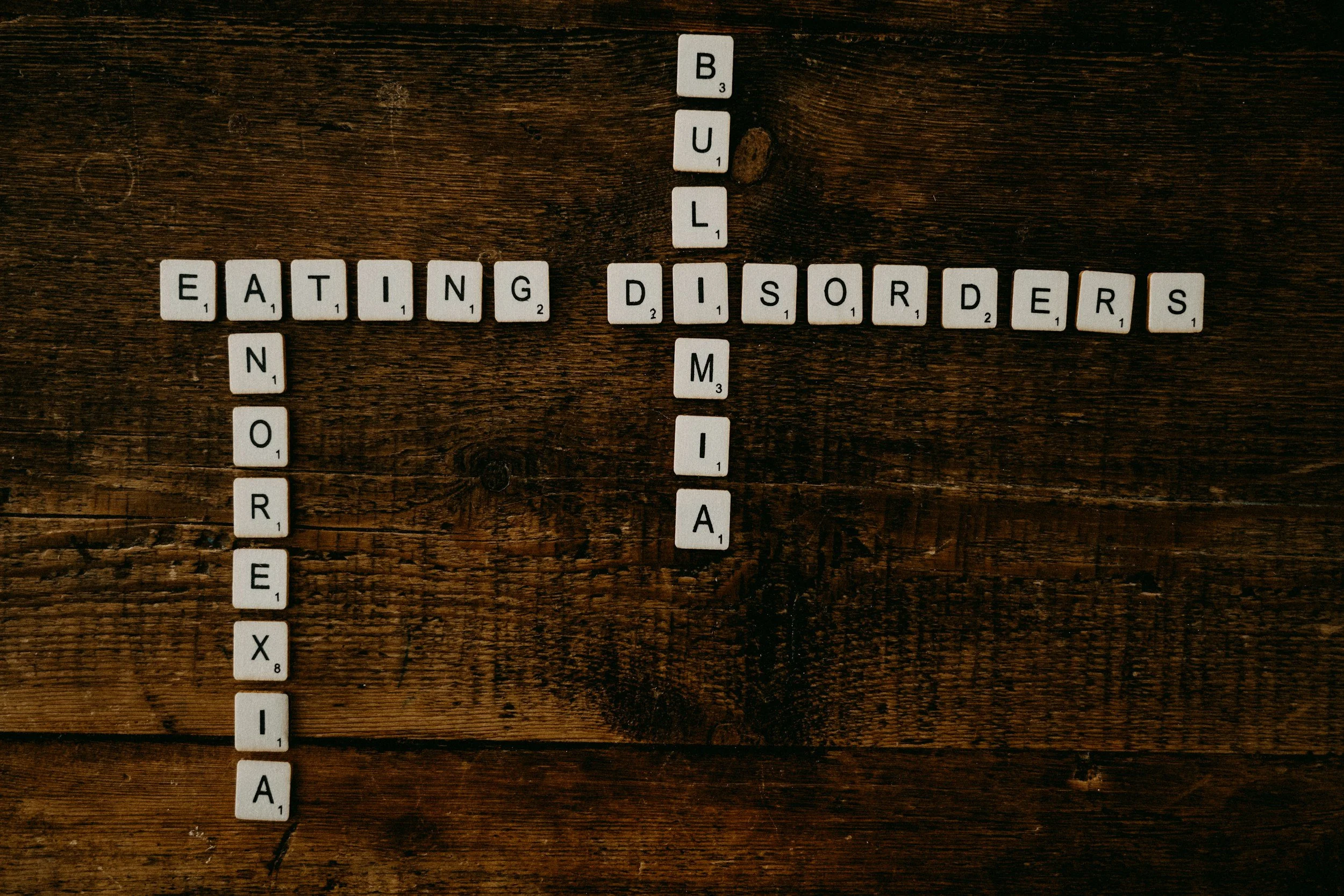
Eating Disorders and Disordered Eating Recovery
Personalised care for treatment of eating disorders and disordered eating through Occupational Therapy


At Well-Being Clinic, we offer specialised support for eating disorders and disordered eating through an integrative occupational therapy approach, focusing on you as a whole person rather than just the symptoms you may be experiencing.
Eating disorders are often shaped by a complex interplay of internal experiences and external environments. Emotional, psychological, physical, and social factors can become intertwined over time, making the patterns that develop more difficult to understand and shift. What may appear on the surface as a difficulty with food often has deeper functions, connected to safety, control, coping, and the way you relate to yourself and the world around you.
Because of this, addressing eating-related difficulties is rarely about changing behaviour alone. It requires a more holistic and person-centred approach that considers the wider context in which these patterns exist.
In our work, the focus is on understanding you, your experiences, and the environments you move through. This includes exploring how different internal and external factors influence your behaviour, when you may feel more safe or more vulnerable, and what function the eating disorder may be playing in your life. From there, we begin to build changes that feel safer, more sustainable, and more aligned with how you want to live.

Support for eating disorders and disordered eating focuses on rebuilding a more stable and sustainable relationship with food, body, and daily habits, while addressing underlying factors that may be maintaining these patterns. This work may include:
meal management and gradual exposure to reduce anxiety around food, shopping, and eating
restoring routine and structure to reduce isolation and disrupt patterns that maintain the eating disorder
exploring sensory needs and developing body awareness
developing and/or maintaining positive support networks
building coping strategies to manage stress, perfectionism, and emotional difficulties
increasing understanding of personal communication style and interpersonal skills
supporting return to work, education, and social participation